
Could personalised vaccines change the future of cancer treatment?
Cancer research is advancing at remarkable speed.
From increasingly sophisticated screening and diagnostic technologies to treatments designed around the individual characteristics of a person's cancer, we're moving towards a future in which cancer care may become more personalised than ever before. This week brought another encouraging development.
A major Phase III trial has found that a personalised mRNA cancer vaccine, developed by Moderna and Merck, significantly reduced the risk of high-risk melanoma returning or spreading when used alongside the immunotherapy drug Keytruda. More than 1,100 patients took part in the trial following surgery to remove their melanoma.
It's an exciting development — but what exactly is a cancer vaccine, and what might it mean for patients in the future?
Not a vaccine in the traditional sense
When we hear the word "vaccine", we naturally think about preventing an illness in the first place. Personalised cancer vaccines work differently.
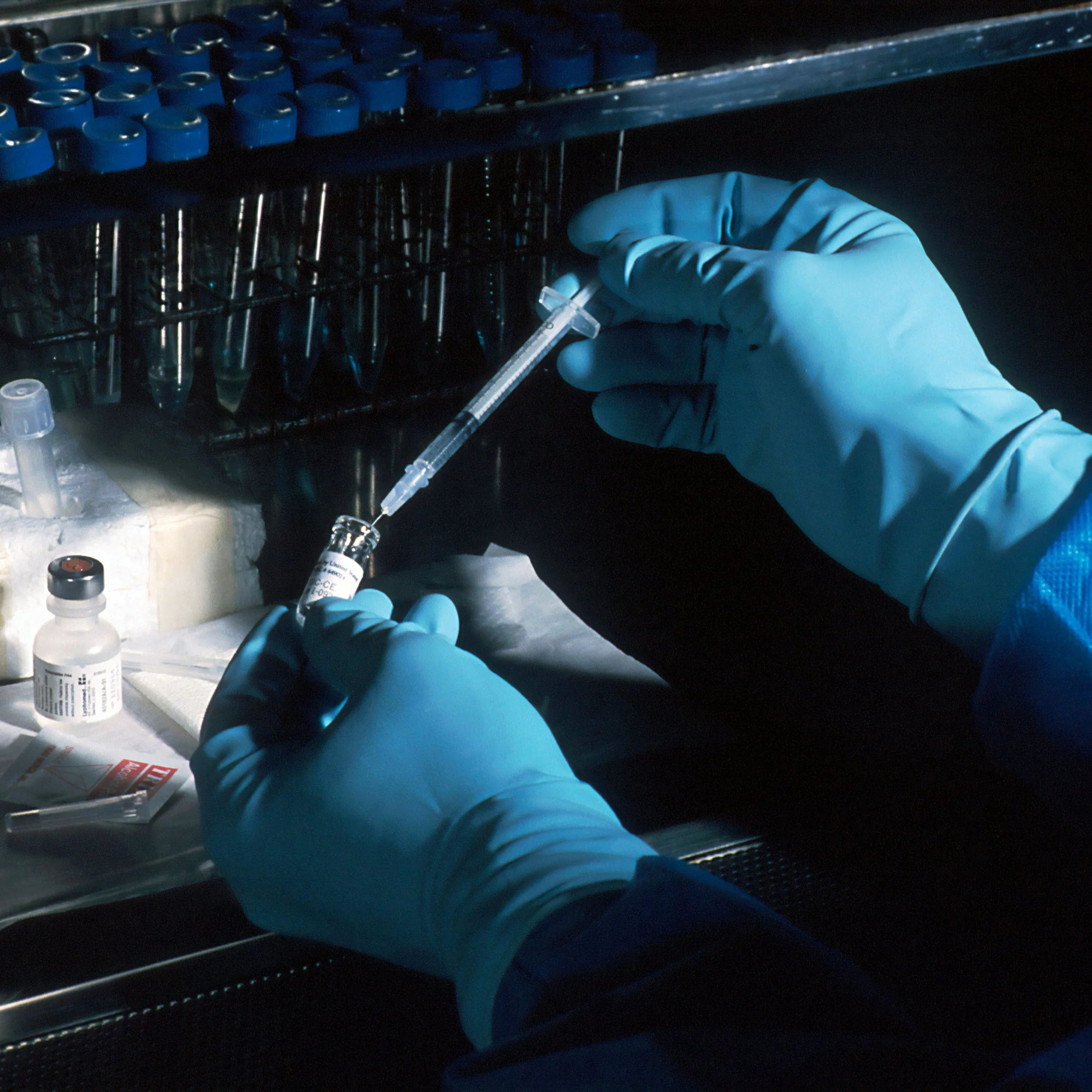
They're a form of immunotherapy designed for someone who has already developed cancer. Scientists analyse the genetic characteristics of an individual's tumour and create a bespoke mRNA vaccine containing instructions based on mutations found within it.
The aim is effectively to teach that person's immune system what their cancer looks like, helping it recognise and attack cancer cells that remain after treatment. It's personalised medicine in a very literal sense: the treatment is designed around the biology of an individual patient's tumour.
Why the latest results matter
Personalised cancer vaccines have been researched for some time, but the latest results represent an important milestone.
The Phase III trial demonstrated a statistically and clinically significant improvement in recurrence-free survival when the personalised vaccine was added to Keytruda compared with Keytruda alone.
Researchers are also investigating personalised mRNA approaches in other cancers, including lung, kidney, bladder, pancreatic and stomach cancers.
Important questions remain
Detailed results from the latest trial are awaited, regulatory approval would still be required, and creating an individual vaccine for every patient brings practical and cost challenges.
So this isn't a treatment people can simply access from their GP tomorrow. But it offers a fascinating glimpse of where cancer treatment could be heading.
The UK is already part of this story
Encouragingly, the NHS is already supporting research into personalised cancer vaccines through its Cancer Vaccine Launch Pad. The programme helps people who have been diagnosed with cancer to be assessed for eligibility for relevant vaccine and immunotherapy clinical trials.
NHS England's longer-term ambition is to help provide up to 10,000 UK patients with access to personalised cancer treatments by 2030. Trials have already included bowel and skin cancers, with the programme subsequently expanding into other areas including head and neck cancer.
For us, it's another example of something we care deeply about at The Hove Practice: using medical innovation to give people better options for their health.
Better treatment, but early detection still matters
As exciting as new treatments are, there's another part of the cancer story that remains vitally important: finding cancer as early as possible. That's because treatment and detection are two different pieces of the same puzzle.
We're seeing increasingly sophisticated technologies emerge at both ends of the cancer pathway, from treatments tailored to an individual's tumour to new approaches designed to identify signs of cancer earlier.
Alongside conventional cancer screening, one of the innovations we currently provide access to at The Hove Practice is Trucheck™ Intelli cancer screening.
Designed for healthy adults aged 35 and over, Trucheck uses a single blood sample to look for circulating tumour cells and can identify signals associated with more than 70 types of solid tumour. If a positive result is returned, further diagnostic investigation is always required.
Importantly, Trucheck isn't a replacement for established cancer screening such as mammograms or cervical and bowel screening. Nor can a negative result completely rule out cancer. It is an additional screening option that should be considered in the context of an individual's health, risk factors and existing recommended screening.
Innovation with the individual at its heart
Perhaps one of the most interesting things about this week's cancer-vaccine news is what it tells us about the direction medicine is taking.
Increasingly, healthcare is becoming less about treating every person in exactly the same way and more about understanding individual biology, individual risk and individual circumstances.
At The Hove Practice, we'll continue to follow developments such as personalised cancer vaccines with great interest. We're also committed to giving our patients access to appropriate innovations already available today, alongside established screening and traditional GP-led cancer risk assessment.
Because while the technology around cancer continues to evolve, the fundamental principle remains reassuringly simple: understanding your individual health, identifying risk and acting at the right time can make an important difference.